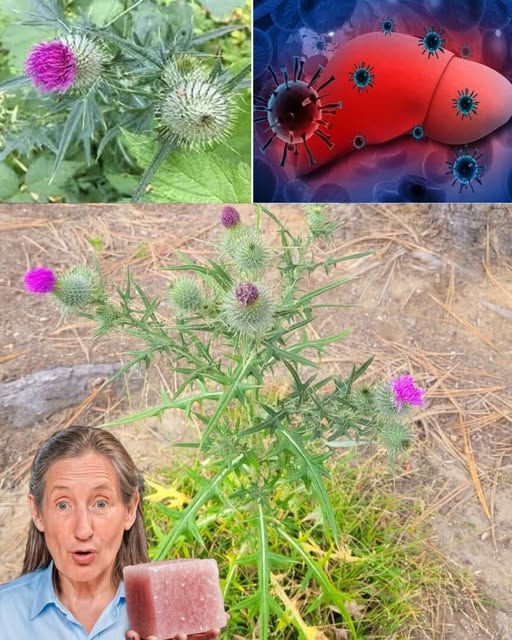
Like its cousin Milk Thistle, Bull Thistle is traditionally used to support liver health, aiding digestion and detoxification.
Anti-Inflammatory Properties
Roots and young leaves contain compounds with anti-inflammatory effects, historically used to ease swelling and muscle pain.
Edible Parts
Young Leaves: Boiled or eaten raw in salads after removing spines.
Stems: Peeled and eaten raw or cooked like celery.
Roots: Boiled or roasted as a nutritious addition to meals.
Flower Buds: Steamed and consumed like artichokes.
Ecological Importance
