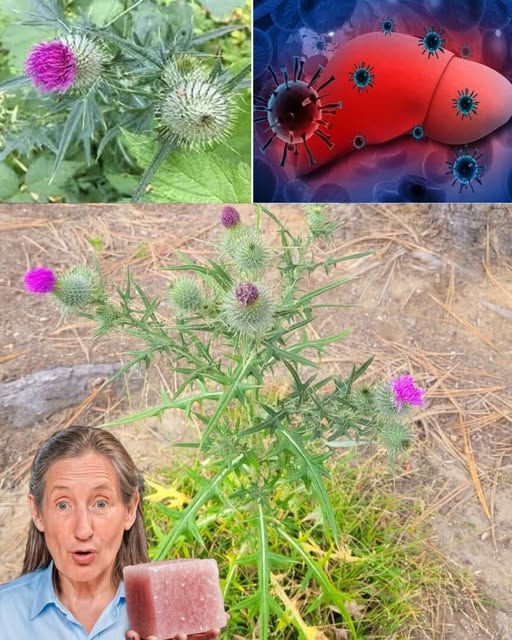
Bull Thistle contributes positively to the environment:
Pollinator Friendly: Nectar-rich flowers attract bees, butterflies, and other pollinators.
Soil Regeneration: Deep taproots help break up compacted soil and retain moisture.
Wildlife Food: Birds, especially goldfinches, feed on the seeds.
Harvesting and Using Bull Thistle Safely
Wear Gloves: Protect your skin from sharp spines.
Use Pruning Shears: Safely cut stems and flower buds.
Harvest Young Leaves: Older leaves become tough and bitter.
Root Harvesting: Best done in late fall or early spring, when the plant’s energy is stored underground.
Potential Risks and Considerations
Look-Alikes: Proper identification is essential to avoid toxic thistles.
Allergic Reactions: Some individuals may experience skin irritation.
Legal Restrictions: Bull Thistle is considered a noxious weed in some areas; check local regulations before harvesting.
Conclusion
Bull Thistle (Cirsium vulgare) is far more than an aggressive weed. With correct identification and preparation, it can provide nutritional, medicinal, and ecological value—making it a sustainable addition to both diet and herbal medicine.
