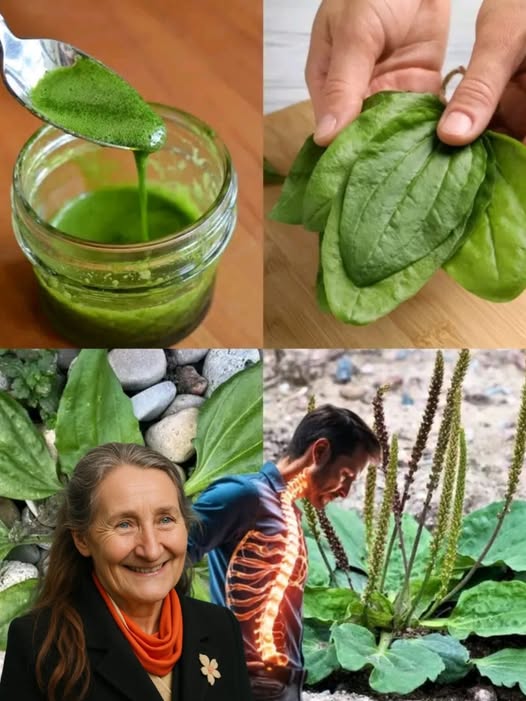
Often dismissed as a simple garden weed, broadleaf plantain is actually a nutritional and medicinal powerhouse. This resilient herbaceous perennial is rich in vitamins, minerals, antioxidants, and bioactive compounds that offer a wide range of health benefits. Here’s why broadleaf plantain deserves a valued spot in your garden and diet.
1. Nutritional Content
Vitamins:
Rich in vitamins A, C, and K—100 grams of broadleaf plantain rivals the vitamin A content of a large carrot.
Notably, it contains one of the highest amounts of vitamin C among common garden weeds.
Minerals:
According to the USDA, 139 grams provides:
Potassium: 663 mg
Magnesium: 57 mg
Carbohydrates: 58 g
Fiber: 2 g
These nutrients make plantain a strong addition to a healthy diet.
Antioxidants:
Loaded with flavonoids and phenolic compounds, broadleaf plantain combats oxidative stress.
In skincare, concentrations of 2–20% can moisturize and strengthen the skin barrier, especially when combined with vitamin C or hyaluronic acid.
2. Anti-Inflammatory
Leaves contain flavonoids, terpenoids, glycosides, and tannins, which help reduce inflammation.
Studies show benefits for various inflammatory conditions.
3. Wound Healing
Bioactive compounds in the leaves soothe inflammation and accelerate healing of cuts, bruises, and scrapes.
Antimicrobial properties protect against bacterial infections.
4. Preventing Stomach Ulcers
