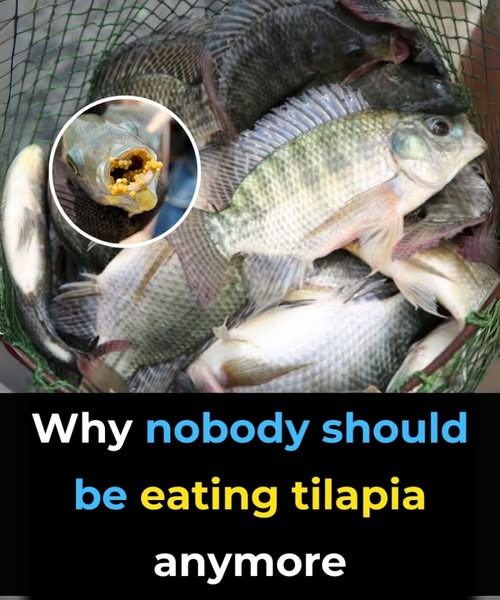
Farmed tilapia can contain heavy metals (like mercury, arsenic) or harmful chemicals depending on water quality.
Although generally lower in mercury than bigger fish, farmed conditions can concentrate other toxins.
Nutritional Quality
Compared to wild fish, farmed tilapia is less nutrient-dense.
The low omega-3 and higher fat composition makes it less heart-healthy.
Environmental & Ethical Issues
Intensive tilapia farming can harm ecosystems through water pollution and habitat destruction.
Poor animal welfare practices are common in some large-scale farms.
Bottom line: While occasional tilapia consumption is unlikely to cause harm, frequent or high-volume eating—especially farmed tilapia—can pose health, environmental, and ethical concerns. Choosing wild-caught, sustainably farmed, or higher omega-3 fish alternatives is generally safer and more nutritious.
