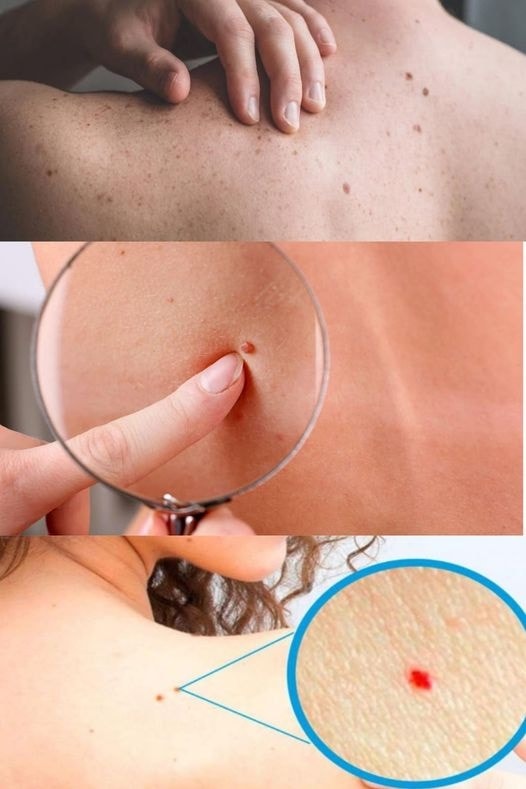
Hormonal shifts, such as those during pregnancy or menopause, can trigger the appearance of new red moles. They are usually temporary and harmless in this context.
Genetic Factors
Some people simply have a genetic predisposition to developing red moles. Family history often determines how many and where they appear.
Aging Skin
Red moles are more common in adults over 40 and are generally a normal sign of aging rather than a health problem.
When to See a Doctor
While red moles are usually harmless, you should consult a dermatologist if you notice:
Rapid growth or sudden appearance of many new moles
Pain, itching, or bleeding from a mole
Moles with irregular borders or color changes
Early evaluation ensures that any potential health issue is addressed promptly.
Conclusion:
Red moles are often a harmless part of aging, genetics, or hormonal changes. However, paying attention to sudden changes or increases in red moles can provide clues about circulatory or liver health. Regular skin checks and consultations with a dermatologist help you enjoy peace of mind while staying proactive about your body’s health.
