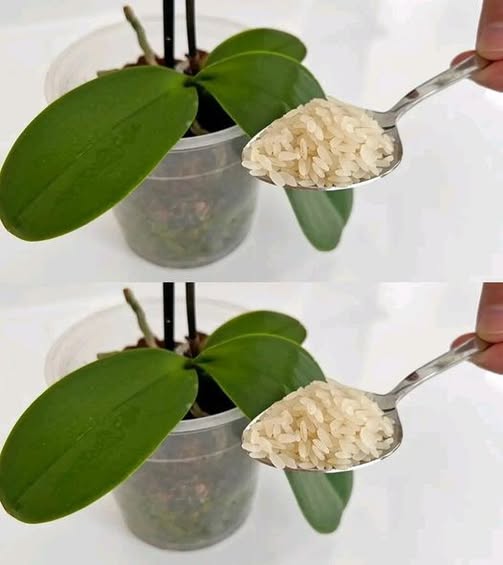
Use sterilized scissors to cut off spent flower spikes about an inch above the node.
This prevents the plant from wasting energy on dying flowers and encourages new growth.
2. Check the Roots
Remove the orchid from its pot and inspect the roots.
Healthy roots are firm and green or white; mushy or brown roots should be trimmed away.
Repot if the orchid is root-bound or the medium is breaking down.
3. Adjust Watering
Orchids need less water when not blooming.
Water only when the medium feels dry, usually once a week for most types.
Avoid overwatering, which can cause root rot.
4. Provide Proper Light
Place your orchid in bright, indirect light.
Avoid direct sun, which can scorch the leaves, but too little light slows recovery and blooming.
5. Fertilize Carefully
Use a balanced orchid fertilizer diluted to half-strength.
Feed every 2–4 weeks during the growth phase.
Stop fertilizing if the plant shows signs of stress.
6. Maintain Humidity and Airflow
Orchids thrive in 50–70% humidity.
Mist the leaves occasionally or use a humidity tray.
Ensure good airflow to prevent fungal or bacterial infections.
Tips for Encouraging New Blooms
