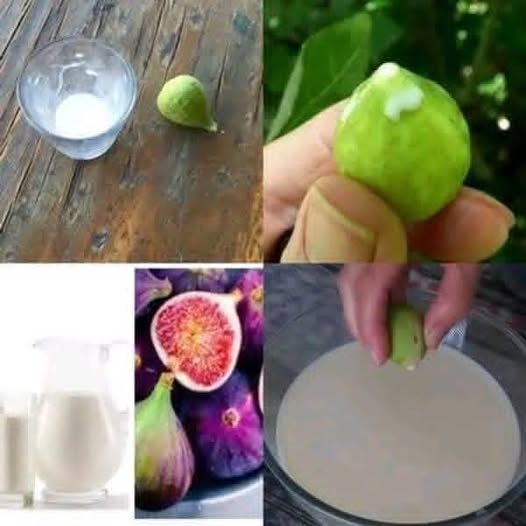
Prepare the Area: Put on gloves and eyewear to prevent irritation.
Select a Branch: Choose a healthy, mature branch for sap collection. Avoid damaged or diseased parts.
Make a Clean Cut: Using a sharp knife, make a small incision in the branch or trunk.
Collect the Sap: Let the sap drip into your container. Avoid touching it directly with your hands.
Close the Cut: Seal the incision with tree-friendly wax or leave it small so the tree can heal naturally.
Uses of Fig Sap
Natural Adhesive: Fig sap’s sticky nature can act as a temporary glue for crafts or minor repairs.
Plant Care: Some gardeners use diluted sap as a natural insect deterrent for certain pests.
Traditional Remedies: In some cultures, fig sap is used topically for minor skin issues—but always test a small area first due to its potential irritant effects.
Tips & Tricks
Collect only what you need; overharvesting can harm the tree.
Store fig sap in a sealed container in a cool, dark place. Use it within a few days for best results.
FAQ
Q: Can children handle fig sap?
A: No, keep it away from children due to potential skin and eye irritation.
Q: Is fig sap edible?
A: Raw fig sap is generally not recommended for ingestion as it can irritate the digestive system.
Fig sap is a hidden gem of sustainable living—when collected responsibly, it can support eco-friendly crafts, natural remedies, and more, all while respecting your fig tree’s health.
