Discoloration, mold, or unusual changes in texture are warning signs.
For liquids, check for separation or cloudiness that seems unusual.
Smell
Spoiled foods often have sour, rancid, or off odors.
Trust your nose—if it smells wrong, don’t taste it.
Feel / Taste
Sliminess on meat or vegetables indicates spoilage.
If something tastes off, spit it out and discard it immediately.
Storage Matters
Refrigeration slows spoilage—keep perishable items at ≤ 40°F (4°C).
Freezing can extend shelf life dramatically, often months beyond the date.
3. Common Shelf-Life Guidelines
Milk: 5–7 days past “sell by” if refrigerated properly.
Eggs: 3–5 weeks in the fridge; float test can check freshness.
Bread: 1–2 weeks in pantry, longer if frozen.
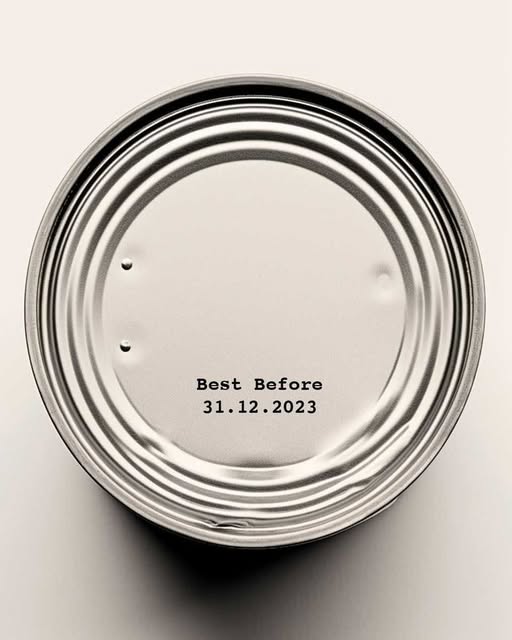
Canned Goods: Often safe 1–2 years past “best before,” if cans are intact and undamaged.
4. Minimizing Waste
Use a “first in, first out” approach: consume older items first.
Store foods properly in airtight containers.
Label leftovers with the date you cooked or opened them.
Final Thoughts
Food expiration dates are guidelines, not absolute rules. By using your senses, understanding storage requirements, and practicing smart food rotation, you can stay safe while reducing unnecessary waste.
