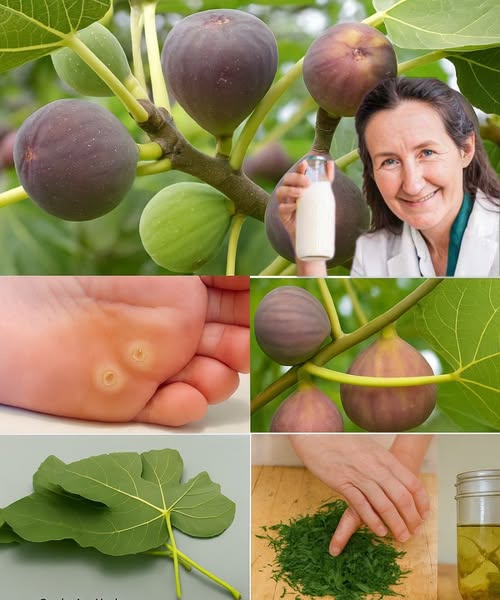
Introduction
Often overlooked and discarded, fig leaves are more than just a byproduct of the fruit we love. These broad, green leaves are packed with compounds that may support blood sugar management, heart health, skin care, and overall wellness. From teas to topical applications, fig leaves are nature’s hidden gem.
Nutritional and Medicinal Benefits
1. Blood Sugar Regulation
Fig leaves contain compounds called flavonoids and alkaloids that may help improve insulin sensitivity and lower blood sugar levels.
Traditional medicine has used fig leaf extracts as a natural approach to support people with type 2 diabetes.
2. Heart Health Support
Rich in antioxidants like vitamin C, beta-carotene, and polyphenols, fig leaves can help reduce oxidative stress and support cardiovascular health.
Some studies suggest fig leaf extract may help lower LDL (“bad”) cholesterol and triglycerides.
3. Digestive Aid
Fig leaves contain soluble fiber and other compounds that may aid digestion, reduce bloating, and support healthy gut function.
4. Skin Care Benefits
When applied topically, fig leaf extracts may help soothe irritation and promote healing due to their antioxidant and anti-inflammatory properties.
Fig leaf tea or infusions are sometimes used in natural remedies for minor skin issues.
5. Weight and Metabolism Support
Fig leaf compounds may help regulate lipid metabolism, potentially aiding in weight management.
How to Use Fig Leaves
1. Fig Leaf Tea
